
I am always stunned at how principles, true principles, scale and span every dimension.
Principles are the Rosetta Stone to life’s many conundrums. Curiously, experts in each professional lane recognize them in their own field, yet we often miss their application in the areas we are less familiar with.
Building the House Once
I remember sitting with John, a gifted programmer. We were building a human facing platform, a digital interface that leveraged technology to bring humans closer together, face to face.
My mind runs in abstraction, except fitness. In movement spaces, my thinking turns into a kind of internal code:
- What does this person value?
- How do I want this sequence to land and what impact do I want it to have?
- Are they feeling it where they are supposed to, and if not, how do I adjust?
- What does this achieve in the larger picture?
- How will we define success objectively and subjectively?
- When is outside perspective warranted, and how do we discuss it up front?
- Center the client’s best interests, always.
- Leverage individual anatomy to improve global functioning.
Outside of movement, my thoughts become more esoteric. John saw that immediately.
He started asking questions I was not ready for:
- Long term, what do you want this to do?
- How should it adapt and evolve?
- How should the user interact with it?
- How do you want the experience to make them feel?
- What rules need to apply, and where?
Instantly overwhelmed, I leaned back. John said something that quietly rewired how I think about nearly everything:
It is easier to build the house once, fully thought through.
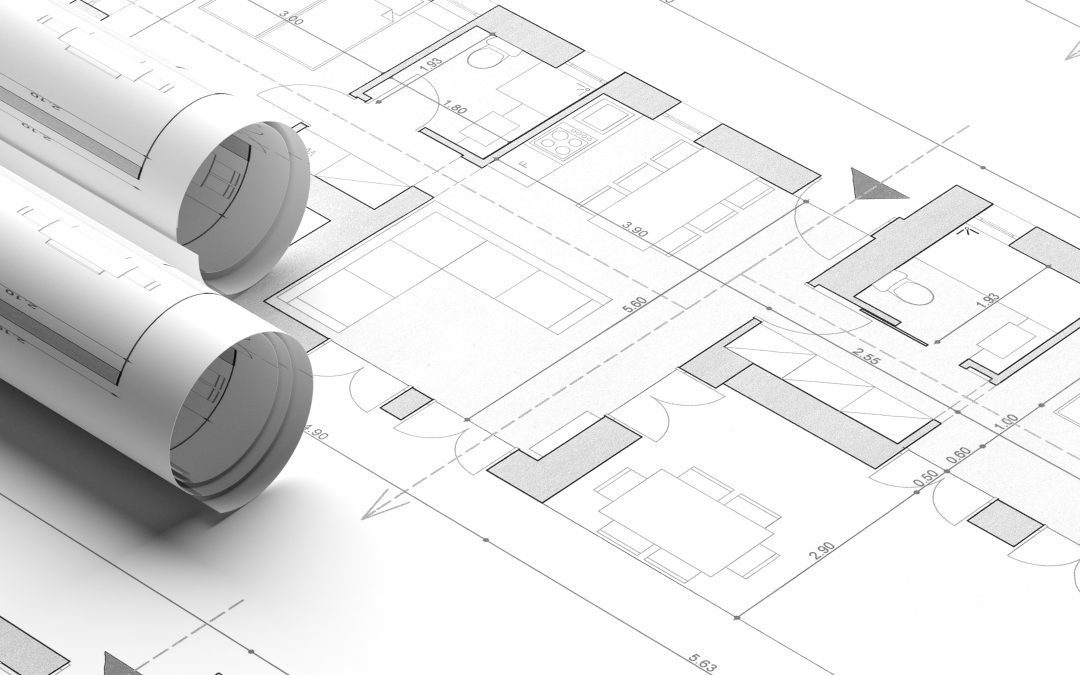
He explained it like working with an architect. Nail down what you want, what you need, how the rooms should flow, what the experience should feel like, the tone, the texture, the colors.
Yes, you can start building without a blueprint. But adjusting later becomes costly, clunky, and may never function how you want it to. The goal is to make changes inevitable and seamless, not painful and manual.
He gave me an example that was so simple it was almost embarrassing:
If you change the font, color, or style of a logo and your CSS rules live in one central place, you change it once and your site updates accordingly. If you don’t, you have to update every page, every blog entry, every block, one by one.
Purposeful, proactive investments of time, energy, and resources yield compounding returns on the back end.
That investment, or lack of it, is bidirectional.
Then The Therapist Handed Us a Blueprint Too
Enter the relationship agreement, one of the most powerful resources Adria and I have.
As we readied ourselves to spend our lives together, Dr. B introduced the concept of an evolving operating guide designed to improve communication, reduce friction, and help us navigate complex terrain in real time.
At the heights of happiness, guided by a veteran expert in relationships, we explored and agreed on:
- What we both needed
- Our communication preferences
- How we would navigate complex social dynamics together, as a unit
It was specific, measured, and iterative. When unforeseen struggles and experiences materialized, we had a seasoned guide and a working document to steady us.
What Looked Like a Document Was Actually an Environment
From the outside, it looked like a relationship tool.
From the inside, it functioned like a shared operating system. Less friction. Faster repair. Clearer expectations. Better decisions under stress.
-
emotional:
More stability when things get loud. -
social:
Better teamwork in complicated environments. -
physical:
Less nervous system drag and a greater capacity to recover from stress. -
occupational:
More clarity, fewer spillovers, cleaner focus. This dimension was critical as we build a life and business together.
The returns were not theoretical. They showed up in real time.
So What Is Health401k®, Really?
Health401k® is a style guide. It is a relationship agreement. It is a framework that helps each person, couple, and organization answer the questions we usually postpone until something breaks:
- What does health mean to you?
- What does a meaningful investment look like now, and 10, 20, 30 years from now?
- What principles will govern your decisions when life gets loud?
It is a way to separate cultural noise from what is relevant and aligned with what actually matters to you. From there, you can allocate your time, energy, and resources across the dimensions of your life that produce the highest yield.
My Priority Tree
For me, it is crystal clear:
- Protect my health, Adria’s health, and the health of our relationship.
- Ensure everyone I love and care about knows it.
Everything below that is secondary. I satisfy those priorities first.
Each of us has a different hierarchy. Even if the labels are the same, the context is different.
The Quiet Takeaway
If you want a simple experiment, try this:
Before you build, write the rules.
Build the blueprint while the sun is still out.
When visibility is clear.
When the weather is calm.
When your best thinking is available to you.
When your principles are clear, you reduce cognitive load. You stop improvising under pressure. You make better decisions faster. You change one rule in one place, and your life updates accordingly.
Ryan Travis Woods